After decades of deployments that felt never‑ending and geopolitically opaque, I came to see the larger play: wars as distractions, designed to sap our collective will. Meanwhile the media amplified fear, grief, and outrage—dripping emotion into every headline, every evening newscast, every viral clip.
Mission 22 & The 22‑a‑Day Crisis
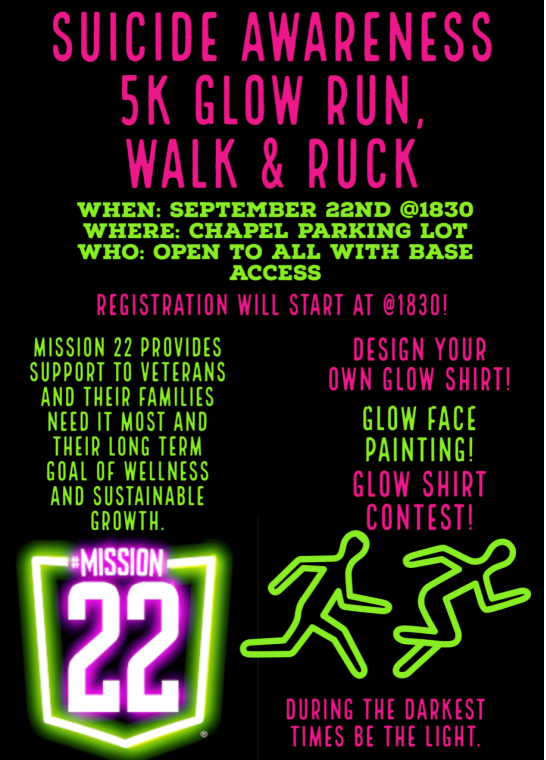
Mission 22 was founded to confront the tragic reality behind the “22 a day” statistic—early studies from the 2010s estimated that roughly twenty‑two U.S. veterans were taking their own lives every single day. While more recent data suggests the number may ebb and flow, the core truth remains: too many of our brothers and sisters in arms struggle with PTSD, depression, moral injury, and a sense of overwhelming isolation.
At its heart, Mission 22 turns that grim figure into a call to action. Through free, year‑round therapy retreats, peer‑to‑peer mentorship, and community events, they weave veterans back into a supportive network of purpose and belonging. Initiatives like the “22 Pushup Challenge” both raise awareness and fund critical mental‑health services, reminding every veteran that they are not alone—and that every life saved is a victory worth fighting for.
5th‑Gen Warfare: EMF & Subliminal Assault
The battlefield has gone beyond land, sea, and sky. Now it’s electronic. Cell towers, hidden antennas, and your own smartphone can broadcast sub‑audible tones and electromagnetic pulses calibrated to exacerbate anxiety, fatigue, and depression.
This silent weapon exploits our biology: a constant drip of neuro‑modulation that warps mood, disrupts sleep, and frays the mind—laying the groundwork for despair without ever firing a shot.
Cultural Engineering & Early Grooming
Long after the guns fell silent, cultural warfare marched on. From Saturday morning cartoons to blockbuster films, young minds were groomed into a hyper‑sexualized, dopamine‑driven loop. Promiscuity became normalized for girls barely in double digits; boys learned violence and objectification as rites of passage.
This “soft power” breaks down identity, cultivates loneliness, and primes generations for despair or distraction—another front in the larger siege.
Toxins in Our Food & MKUltra‑Tier Programming
Roundup in our fields. PFAS in our water. Pesticides on our plates. Every meal can be a toxic dose—chipping away at hormonal balance and brain chemistry.
Pair that with surveillance data, microtargeted ads, and deep‑psych profiling (think MKUltra on steroids) and you have a recipe for engineered helplessness. We’re fed stories, chemicals, and algorithms—then blamed when we fall apart.
Resistance & Healing
We don’t have to be victims to invisible forces. To fight back: